Drowning in Plastic: Can We Still Save the Pasig River?
- Hungrytravelduo
- Feb 7, 2025
- 4 min read
The Pasig River has long been a symbol of Manila’s rich history—but today, it tells a different story. Once a thriving waterway spanning over 27 kilometers, it’s now one of the most polluted rivers in the world, with an estimated 63,000 tons of plastic flowing into the ocean every year, being a silent killer to us Filipinos.

Its main tributary, the San Juan River, faces the same fate, often choked with single-use plastics, food wrappers, and discarded packaging. But amidst this crisis, people and organizations are working together to turn trash into something valuable.
RiverRecycle: Keeping Plastics Out of the Ocean
One of the groups leading this fight is RiverRecycle Philippines, headed by Project and Operations Manager Bert Guevara. Their mission isn’t just about collecting plastic waste—it’s about ensuring it never finds its way back into the river.

But… the process isn’t easy: plastics retrieved from the water are often contaminated with dirt, oil, and organic waste, requiring extensive cleaning before they can be repurposed.
“River cleaning is not something you do overnight,” Bert explains. “It requires advocacy, infrastructure, and a circular economy model to sustain it.”


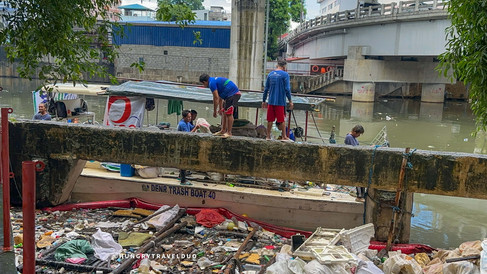


Specifically, cleaning and rehabilitating the Pasig River requires:
Funding & Technology – Investments in waste collection, processing, and upcycling.
Policy Support – Laws like EPR (Extended Producer Responsibility) and RA 9003 help, but implementation is key.
Community Participation – Local engagement ensures waste is collected before it reaches the river.
Luckily, RiverRecycle isn’t alone in this fight. After collecting and sorting plastic waste alongside LGUs from Quezon City, San Juan, and Manila, they partner with recyclers like Plastimer Industrial Corporation—a company turning low-value plastics into sustainable products.

Plastimer: Turning Waste Into EcoBoards
Plastimer has been in the plastics industry since 1972, originally producing rigid plastic products. But when the pandemic hit, the company saw an opportunity to pivot towards sustainability.
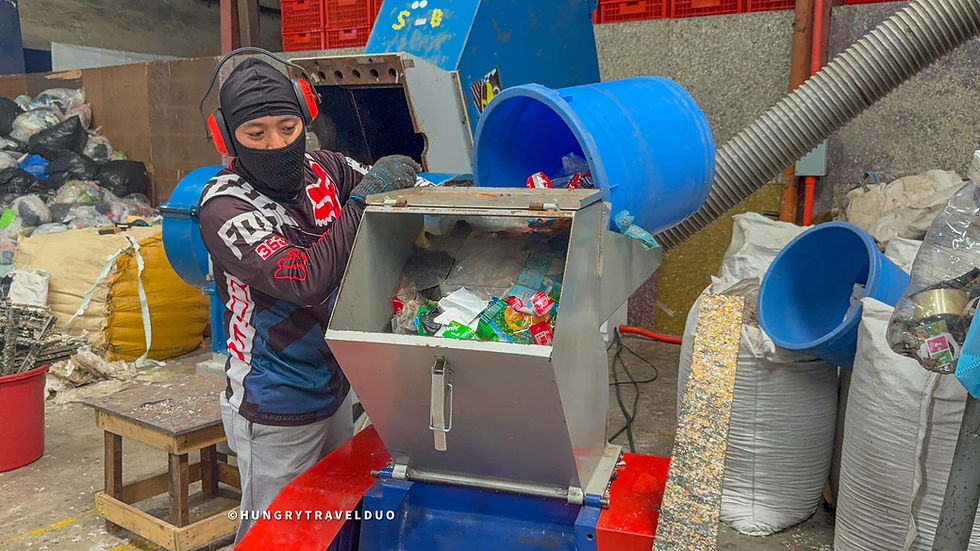
Recognizing the urgent need to recover and recycle single-use plastics, Plastimer expanded its operations to include plastic upcycling—giving new life to what was once considered waste.

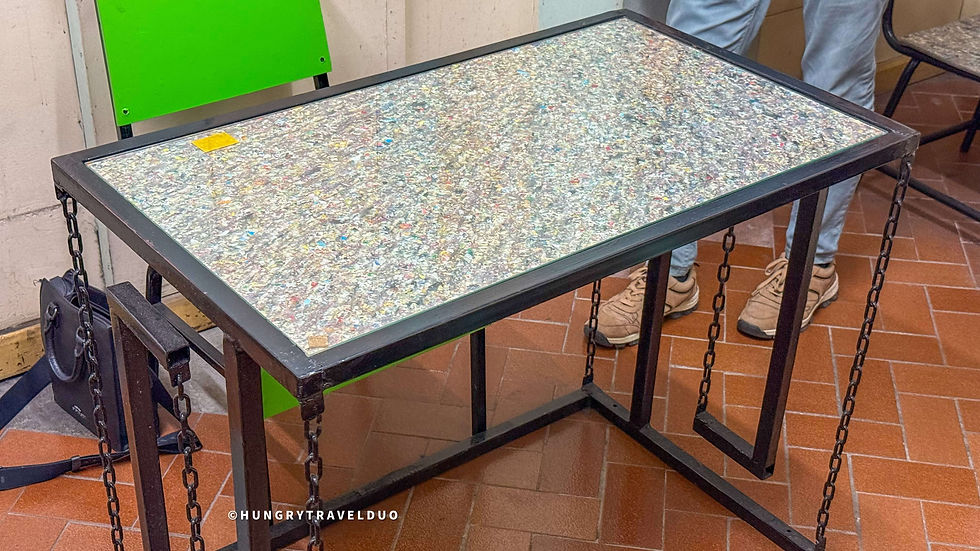
Today, Plastimer converts recovered plastics into EcoBoards—a durable, sustainable alternative to traditional plastic and wood. These boards are used for furniture, construction, and interior design, replacing materials that would otherwise contribute to deforestation or require virgin plastic. As we visited their plant in Valenzuela, we were all amazed at how they turned the ecoboards into chairs, tables, hanging art, and even floor tiles!r
Why Recycled Plastic is a Game-Changer
EcoBoards aren’t just good for the environment—they’re built to last. Compared to virgin plastic boards, which cost around ₱950, a 12mm EcoBoard costs ₱1,200. While slightly more expensive, they offer major benefits:
✔ Waterproof – No rotting, swelling, or warping
✔ Rust-proof – Unlike metal, it won’t corrode over time
✔ 5x Longer Lifespan – More durable than traditional wood and plastic
For schools, businesses, and local governments looking for sustainable building materials, EcoBoards are a solid investment in both quality and environmental impact.
The Tough Road to Plastic Recovery
While RiverRecycle and Plastimer are making progress, plastic recovery from the Pasig and San Juan Rivers is far from easy. Here’s why:
Most Plastics Are Too Dirty to Recycle
Plastics collected from the river are often contaminated with food residue, oils, and dirt, making them difficult to process. Unlike high-value plastics (like PET bottles), low-value plastics—such as sachets, food wrappers, and thin plastic bags—often get rejected because they are too contaminated.
The High Cost of Transporting Recovered Plastics
Getting plastics from the river to recyclers like Plastimer is expensive. Collection and sorting require manpower, while fuel and logistics costs add up. Unlike high-value plastics, low-value plastics require subsidies or external funding to make transport and recycling financially viable.
Example: It costs at least ₱5,000 to transport one truckload of collected plastics from San Juan River to Valenzuela, where Plastimer is located. That’s the equivalent of moving over 500 kilos of waste—waste that would otherwise end up in the ocean.
Sustainable Products Are Still More Expensive
EcoBoards and other upcycled plastic products often cost more than traditional materials, making them a tough sell. Virgin plastic, despite its environmental impact, remains cheaper to produce.


For recycled alternatives to gain mainstream adoption, we need:
✔ Stronger market demand for sustainable materials
✔ Government incentives to make recycled products more affordable
✔ Corporate buy-in to support sustainability initiatives
Local Heroes: LGUs Leading the Way
While national solutions take time, some Metro Manila cities aren’t waiting. At the MMDA Road to Zero Waste Expo, community-driven waste programs from cities like Manila (throughKabalikat), Pasig, and Parañaque (LPPCHEA) showcased how proper waste management can create jobs and provide extra income.
On the other hand, non profit margins such as PASS and PARMS (Philippine Alliance for Recycling and Materials Sustainability) are also supporting LGUs and informal waste workers, giving them resources to scale their impact.

The Road Ahead: How We Can Help as Filipinos
Cleaning the Pasig and San Juan Rivers is no small task. But with investments in recycling, community-driven programs, and government support, we can turn plastic waste into a valuable resource instead of pollution.
Want to be part of the solution? Here’s what you can do today:
Join plastic collection drives – Every kilo of waste recovered prevents ocean pollution.
Support upcycled products – Choosing EcoBoards and other recycled materials helps create demand for sustainable alternatives.
Spread awareness about circular economy solutions – Because real change starts with informed communities.
“This system works. We just need to replicate it,” Bert emphasizes. The change starts with us.

Comments